

In the field of art conservation, the intersection of technology and creativity frequently produces remarkable solutions to age-old challenges. One innovative tool becoming popular in this field is the vacuum viewport. By providing an optimized setting for examining and conserving artworks, vacuum viewports open fresh pathways for conservators to explore the intricacies of each piece without compromising its integrity.
These specialized devices allow for careful observation and analysis by lessening the risk of contamination and damage. As conservators strive to preserve the heritage of our cultural artifacts, the application of vacuum viewports presents a distinctive prospect to blend scientific precision with artistic awareness, ensuring that these treasured works of art can be valued by future generations.
Grasping Vacuum Windows
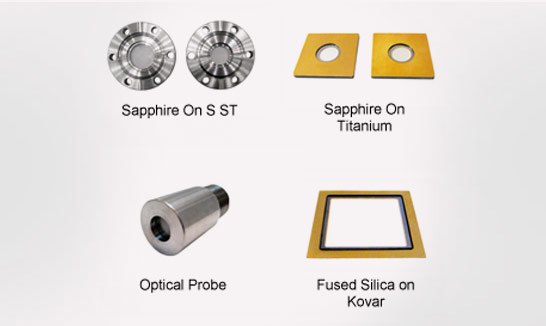
Negative pressure viewports are specific clear interfaces that allow for the observation of artifacts in controlled environments. They are engineered to sustain a vacuum seal while providing a clear view of the artworks being examined or conserved. This technology is notably advantageous in the area of art conservation, where the safeguarding of creations can be adversely affected by external elements such as wetness, dirt, and pollutants.
The creation of vacuum viewports typically includes substances that can resist atmospheric pressure while preventing the entry of contaminants. Acrylic materials are frequently used, ensuring both durability and clarity. These viewports can be incorporated into vacuum chambers, allowing conservators to study objects without subjecting them to the noxious elements that might lead to degradation over time.
In art conservation, vacuum viewports perform numerous purposes. They allow conservators to evaluate the condition of artworks carefully, facilitating the creation of suitable treatment strategies. Additionally, these viewports facilitate secure monitoring of objects during conservation processes, ensuring that artworks are kept in an favorable environment throughout the procedure.
Innovative Utilizations in Artistic Conservation
Vacuum viewports have revolutionized the approach to artistic conservation by providing a regulated space for delicate pieces. One of the key implementations is in the examination of canvases, where conservators can employ these viewports to get a closer look at features without subjecting the artwork to outside pollutants. This method allows for sharp photography and analysis using various techniques such as IR imaging and UV light, ensuring that the condition of the art remains uncompromised.
Moreover, suction windows facilitate the safe keeping of sensitive substances like documents and textiles. By forming an non-reactive atmosphere that reduces the risk of degradation and microbial growth, these viewports provide an ideal solution for maintaining historic manuscripts or tapestries. This conservation approach not only increases the longevity of these items but also allows conservators to study them in thoroughness while ensuring they are shielded against external risk.
Additionally, vacuum windows can be combined with other preservation methods, such as climate control approaches, to optimize the conservation conditions for specific artworks. This integration allows for careful adjustments to humidity and temperature, further enhancing the conservation effort. By combining these sophisticated tools, conservators can create tailored settings suited for a varied range of artistic substances, thus expanding the options for maintaining heritage.
Advantages and Challenges
One of the primary advantages of vacuum viewports in art conservation is their capability to create a secure environment for fragile artworks. The vacuum seal greatly minimizes the presence of pollutants, such as dust and moisture, which can cause deterioration over time. This defensive barrier helps preserve the integrity of delicate materials, allowing conservators to perform necessary restorations and assessments without the threat of additional damage. Furthermore, the clarity through the viewport enables conservators to monitor artworks closely, facilitating prompt interventions.
Despite their advantages, the use of vacuum viewports does come with challenges. The installation process can be complex, requiring precision to ensure a proper seal that effectively reduces air exchange. If not carefully executed, breaches can occur, leading to variations in the stable conditions. Additionally, the upfront cost and upkeep of vacuum systems can be a strain on finances for some institutions, especially lesser-known galleries that may lack resources for advanced conservation technology.
Another challenge is the potential impact on the aesthetics of the artwork itself. While vacuum viewports are designed to be minimalist, there may be worries about how they alter the viewer's perception of the piece. Conservators must weigh the need for preservation with the responsibility to present the artwork in its intended form, making careful decisions about when and how to utilize these systems.